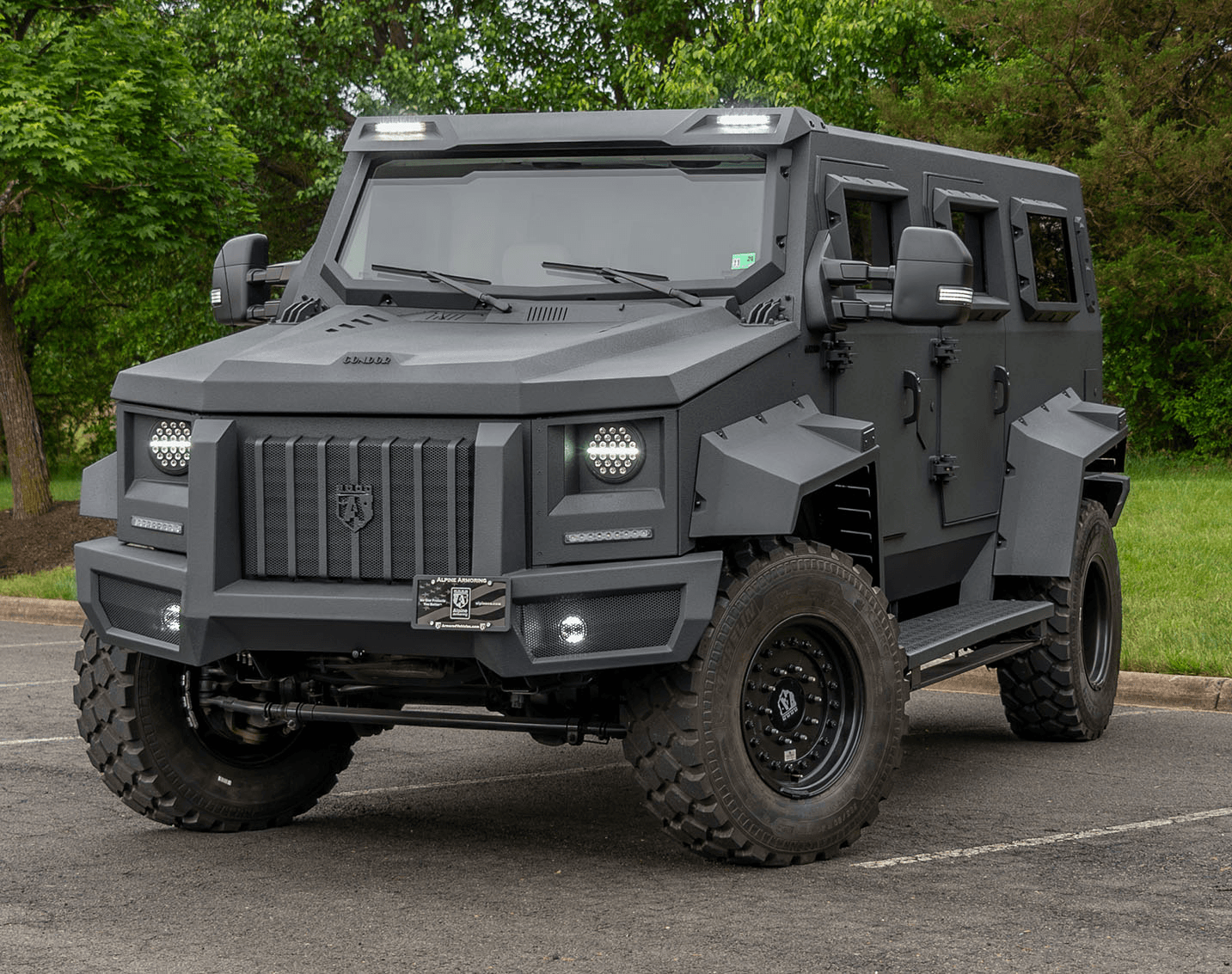
Businesses searching for an armored truck for sale need more than a vehicle that looks heavily protected. The right purchase depends on the intended use, documented ballistic protection, vehicle condition, payload requirements, operating costs, and applicable import or registration rules. For commercial buyers, comparing these factors before requesting a quote helps reduce procurement risks and identify vehicles suited to their operational requirements.
GMTI helps organizations source specialist vehicles through its international supplier network, including armored vehicles for sale for government agencies, NGOs, law enforcement organizations, diplomatic missions, and private security providers. Depending on the requirement and availability, buyers can discuss used armored vehicles, civilian protection vehicles, armored trucks, and specialist transport options.
For agencies and professional buyers evaluating protected transportation for public safety or fleet operations, GMTI also provides law enforcement vehicle sourcing solutions. The appropriate vehicle depends on the organization's operational needs, required specifications, budget, and destination-market regulations.
What Should You Know Before Buying an Armored Truck?
An armored truck is a vehicle equipped with protective features intended to provide a specified level of resistance against particular threats. Depending on its design and intended use, it may incorporate ballistic-resistant materials, protective glazing, reinforced structures, or other specialized equipment.
Not every armored truck serves the same purpose. A cash-in-transit vehicle, a protected commercial transport truck, and a tactical vehicle have different configurations and operational requirements.
Before comparing available vehicles, identify:
- Intended application: Cash-in-transit operations, secure transport, government use, commercial operations, or specialist fleet requirements.
- Protection requirements: The threats the vehicle must be designed and documented to address.
- Vehicle configuration: Body style, passenger capacity, payload, drivetrain, and equipment requirements.
- Condition: Mileage, mechanical history, maintenance records, and the condition of the protective components.
- Procurement requirements: Budget, quantity, destination, documentation, import eligibility, and delivery timeline.
For organizational buyers, defining these requirements before requesting quotations makes it easier to compare vehicles on a consistent basis.
Types of Armored Vehicles for Sale
The term armored vehicle covers several categories. Choosing the right one requires understanding how its design matches the intended application.
1. Armored Trucks for Commercial Operations
Armored trucks can be configured for specialized transport, security-related logistics, and other demanding commercial applications. Some vehicles are designed around a specific cargo or operational requirement, while others may have been built for cash-in-transit services.
When evaluating an armored truck for sale, confirm the vehicle's intended use, cargo capacity, mechanical condition, protective specifications, and the availability of maintenance support.
Businesses should also establish whether the truck's dimensions, operating weight, and configuration are suitable for their routes and local regulations.
2. Used Armored Vehicles for Sale
Used armored vehicles can offer an alternative to purchasing a newly built vehicle, particularly when a buyer needs an existing platform or has a defined procurement budget.
However, a lower purchase price does not automatically mean a lower total cost of ownership. Previous use, mileage, the condition of the armor, and the availability of replacement parts can affect long-term costs.
Before buying a used armored vehicle, request:
- The vehicle identification number (VIN), ownership records, and available service history.
- Documentation identifying the manufacturer and specifications of the protective system.
- Records of previous repairs, modifications, or refurbishment.
- An independent mechanical inspection.
- An assessment of the protective components by a suitably qualified specialist.
- Confirmation of the vehicle's import, registration, and export eligibility where applicable.
A conventional mechanical inspection is not sufficient to establish ballistic protection. The condition and documented performance of the protective system require separate evaluation.
3. Bulletproof Cars for Sale
Bulletproof cars are generally armored passenger vehicles designed for protected transportation. Depending on the base vehicle and conversion, they may retain a relatively conventional exterior while incorporating protective materials and glazing.
These vehicles may be relevant to executive transportation, diplomatic missions, private security organizations, and other eligible buyers who need a protected passenger platform.
When comparing bulletproof cars for sale, evaluate the base vehicle, model year, mileage, protective specifications, interior condition, maintenance history, and the availability of technical documentation.
The term bulletproof is widely used in searches and vehicle marketing, but it should not be interpreted as a guarantee against every projectile or threat. Protection depends on the vehicle's actual design, tested specifications, condition, and the threats against which it was evaluated.
4. Armored SUVs for Sale Used
A used armored SUV can suit buyers who require passenger space, ground clearance, or a familiar SUV platform. Its suitability depends on the vehicle's original design, protective conversion, mechanical condition, and intended operating environment.
When comparing used armored SUVs for sale, examine suspension components, brakes, tires, door operation, glazing, and any modifications made to accommodate the added weight of the protective system.
Also verify the documented protection specifications instead of assuming that vehicles with similar exterior appearances offer equivalent protection.
5. Used Armored Vans for Sale
Used armored vans may suit organizations that need enclosed cargo space, specialized transport, or a vehicle configured for particular commercial requirements.
Potential applications depend on the original vehicle design and approved configuration. Buyers should confirm payload capacity, internal dimensions, axle ratings, door access, serviceability, and the effect of additional armor on the vehicle's rated operating limits.
For wider commercial vehicle requirements, GMTI's commercial vehicle sourcing service can help businesses explore suitable vehicle supply and export options.
Used Armored Vehicles for Sale: New vs. Used
The choice between a newly built armored vehicle and a used vehicle depends on the required specification, available budget, procurement schedule, and expected service life.
Consideration | New armored vehicle | Used armored vehicle |
|---|---|---|
Initial purchase cost | Typically higher for comparable specifications | May offer a lower initial cost |
Vehicle history | Starts with a new base vehicle | Requires verification of previous use and maintenance |
Protection documentation | Specifications should be established at purchase | Existing records and current condition require verification |
Customization | May offer greater control over the original build | Depends on the existing configuration |
Delivery | Depends on build schedule and availability | Depends on stock, inspection, and export readiness |
Inspection needs | Pre-delivery verification remains important | Mechanical and protective-system inspections are essential |
Neither option is automatically better for every buyer. A used vehicle may be suitable if its condition and documentation meet the requirement. A new vehicle may be preferable when a specific configuration, traceable build history, or defined procurement specification is essential.
The comparison should be based on verified vehicle details rather than the new-or-used label alone.
How Much Does a Bulletproof Car Cost?
The answer to how much for a bulletproof car depends on the base vehicle, model year, protection specification, condition, conversion quality, and required equipment. There is no single price that accurately represents every armored passenger vehicle.
A used armored SUV with an existing protective conversion can have a very different price from a newly built luxury sedan or a specialist vehicle configured for an institutional fleet.
The main factors affecting the purchase price include:
Base vehicle and model year
The underlying vehicle contributes to the total cost. Brand, model, age, mileage, drivetrain, interior equipment, and overall condition all influence the value of an armored vehicle.
Protective specification
The materials, coverage, glazing, and documented protection performance affect both the cost and the vehicle's weight. Buyers should compare the actual specification and its supporting documentation instead of relying on broad descriptions such as “heavy armor.”
Mechanical condition and refurbishment
Used vehicles may require maintenance or refurbishment. Suspension, brakes, tires, engine condition, electrical systems, doors, and glazing should be evaluated before a purchase decision.
Additional equipment
Specialized communication systems, vehicle-specific equipment, interior modifications, or other approved features can change the overall price.
Shipping and procurement costs
For international purchases, the final budget may also include inspection, export documentation, shipping, insurance, customs charges, taxes, registration, and any necessary modifications for the destination market.
How to request a meaningful quote: Provide the preferred vehicle type, new or used condition, required protection specification, quantity, destination country, budget range, and desired delivery schedule. This gives the supplier enough information to identify relevant options and explain the costs associated with each one.
For current vehicle availability and pricing, contact GMTI through its armored vehicle sourcing service.
Where to Find a Brink's Armored Truck for Sale
Buyers searching for a Brink's armored truck for sale are often looking for a former cash-in-transit vehicle or a truck associated with secure cash transportation.
A vehicle previously operated by a cash-in-transit company should be evaluated on its individual merits. The former operator's name does not independently establish the current vehicle's condition, protective capability, service history, or suitability for a new application.
Before purchasing a former cash-in-transit truck, verify:
- The VIN, ownership history, and available maintenance records.
- The vehicle's original purpose and current configuration.
- The condition of the engine, transmission, brakes, suspension, and tires.
- The documented condition and specifications of its protective components.
- Whether specialized equipment needs to be removed, retained, or replaced.
- Whether the vehicle can legally be transferred, exported, imported, and registered for the intended use.
Availability note: A search for a Brink's-branded truck does not establish that a specific vehicle is currently available for purchase. Buyers should confirm the identity, ownership, condition, documentation, and availability of each listed vehicle with the seller.
If a branded vehicle is unavailable or unsuitable, a buyer may consider other armored cash-in-transit trucks that meet the same documented operational requirements.
How to Evaluate an Armored Vehicle's Protection Specifications
Protective specifications are among the most important factors in choosing an armored vehicle. Buyers should request documentation that identifies the actual protective system, the manufacturer, the tested or specified protection level, and the scope of coverage.
A vehicle's protective components may include ballistic-resistant glazing and other specialized materials, but the presence of these features does not establish a particular level of performance.
The National Institute of Justice publishes ballistic protection levels and associated test threats in NIJ Standard 0123.00. However, that document defines protection levels and threats; it is not, by itself, a certification of an entire armored vehicle. Buyers must establish which standard and test evidence apply to the specific vehicle or protective component being offered. Read the NIJ specification.
For a used vehicle, ask for the original build records and available inspection or refurbishment documentation. If the records are incomplete, obtain an independent assessment from a suitably qualified specialist before relying on any protection claim.
Do not assume that a particular protection rating, certification, or complete-vehicle test applies unless the supplier can substantiate that claim.
How to Choose an Armored Vehicle Supplier
Selecting a supplier is as important as selecting the vehicle. For B2B procurement, a suitable supplier should be able to explain the sourcing process, provide available vehicle documentation, clarify commercial terms, and coordinate delivery requirements.
Use the following checklist when evaluating a supplier.
1. Confirm the vehicle specification. Make sure the offered vehicle matches the required body style, model year, mechanical configuration, payload, and intended application.
2. Verify documentation. Request available ownership records, VIN details, maintenance history, protective-system documentation, and any relevant inspection reports.
3. Compare the complete cost. Review the vehicle price alongside inspection, refurbishment, shipping, taxes, duties, and other applicable expenses.
4. Establish availability and delivery terms. Confirm whether the vehicle is in stock, requires refurbishment, or must be sourced from another market. Obtain a realistic schedule in writing.
5. Check legal and regulatory requirements. Verify export eligibility, import rules, registration requirements, and any applicable restrictions before committing to a purchase.
6. Review payment and contractual terms. Understand the quotation validity, deposit requirements, payment milestones, inspection conditions, and the process for resolving discrepancies.
7. Plan for ongoing maintenance. Consider replacement parts, qualified service providers, vehicle downtime, and the long-term cost of operating the vehicle.
For businesses purchasing multiple units, these checks should be applied consistently across the fleet so that each vehicle meets the required specification.
Why Consider GMTI for Armored Vehicle Sourcing?
GMTI (Global Motor Trade International LLC) supports business-focused vehicle sourcing for organizations that require specialist vehicles and international procurement coordination.
Its armored vehicle service covers sourcing support for used armored vehicles, civilian protection vehicles, armored trucks, and specialist security transport for eligible organizational buyers. The company also coordinates relevant procurement documentation, logistics, and delivery requirements according to the vehicle and destination.
GMTI may be relevant to:
- Government agencies and diplomatic missions.
- Law enforcement and security organizations.
- NGOs with specialist transportation requirements.
- Private security and executive protection providers.
- Organizations seeking multiple vehicles for operational use.
The sourcing process begins with the buyer's requirements, including vehicle type, protection specification, quantity, destination, budget, and timeline. The next step is to confirm available options, verify their documentation, and review the commercial terms before proceeding.
Explore GMTI's armored vehicle sourcing solutions or contact the GMTI team to discuss your organization's requirements.
Frequently Asked Questions
1. Where can I find an armored truck for sale?
You can search specialist vehicle suppliers, commercial vehicle dealers, and sellers of former cash-in-transit vehicles. For B2B sourcing, compare the available vehicle specifications, documentation, condition, pricing, and delivery arrangements. GMTI also provides an international armored vehicle sourcing service for eligible organizational buyers.
2. Are used armored vehicles for sale cheaper than new ones?
Used armored vehicles may have a lower initial purchase price, but their total cost depends on mechanical condition, protective-system condition, maintenance requirements, refurbishment, and shipping. An independent inspection helps establish whether the apparent saving is worthwhile.
3. How much for a bulletproof car?
There is no universal price for a bulletproof car. The cost depends on the base vehicle, model year, protection specification, condition, equipment, and delivery destination. Request a quote based on a clearly defined specification rather than comparing prices for vehicles with different protective capabilities.
4. What should I check before buying used bullet proof cars for sale?
Verify the VIN, ownership and service history, mechanical condition, protective-system documentation, glazing condition, previous modifications, and applicable registration or import requirements. Arrange a specialist assessment of the protective system because a standard vehicle inspection cannot establish its ballistic performance.
5. Are armored SUVs available used?
Used armored SUVs may be available through specialist suppliers, depending on the model, condition, market, and required protection specification. Buyers should confirm current availability and evaluate the vehicle's mechanical condition and protective documentation before purchasing.
6. Can businesses purchase used armored vans for sale?
Businesses can seek used armored vans for suitable commercial and specialist transport applications. The selected vehicle must meet payload, operational, safety, and destination-market requirements. Actual availability depends on the supplier's inventory and sourcing network.
7. Is a Brink's armored truck available for purchase?
Availability depends on whether an individual vehicle has been offered for sale by its lawful owner or an authorized seller. A Brink's association or former cash-in-transit use does not guarantee that the vehicle is currently available, transferable, or suitable for a particular purpose.
8. How can I verify an armored vehicle's protection level?
Request documentation identifying the protective system, applicable standards, manufacturer, coverage, and available test or inspection evidence. For used vehicles, have the protective components assessed by a qualified specialist. Do not treat a seller's general description as proof of a specific protection rating.
9. Can GMTI help source armored vehicles internationally?
GMTI provides sourcing and procurement coordination for specialist armored vehicles through its international supplier network. Buyers should submit their vehicle specifications, quantity, destination, budget, and timeline so that availability and applicable requirements can be assessed.
Final Thoughts
Choosing among armored trucks, used armored vehicles, bulletproof cars, armored SUVs, and used armored vans requires more than comparing advertised prices. Buyers should establish the intended application, verify protective specifications, inspect mechanical condition, calculate the full procurement cost, and confirm that the vehicle can be legally supplied and registered for its intended destination.
For businesses and organizations seeking specialist vehicles, GMTI offers a starting point for discussing sourcing requirements, supplier coordination, and international delivery.
Looking for an armored truck for sale for your organization? Visit GMTI's armored vehicle service or contact the team to discuss the specifications and sourcing options relevant to your requirements.