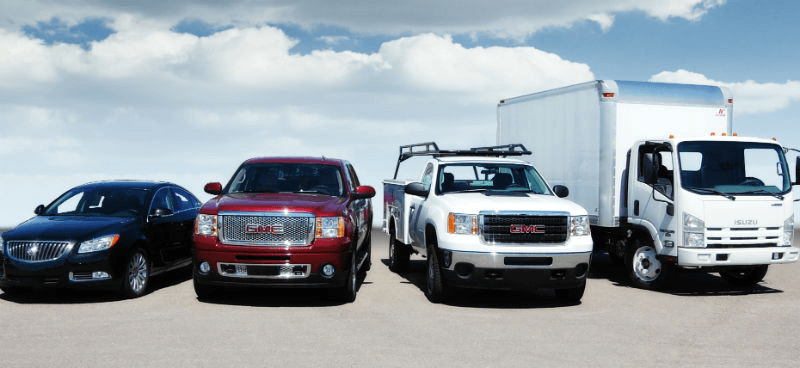
Best Vehicles for Government & NGO Fleet Procurement
Government agencies and non-governmental organizations (NGOs) rely on dependable transportation to deliver essential services, respond to emergencies, and support communities. From public infrastructure projects and healthcare programs to disaster relief and humanitarian missions, selecting the right commercial fleet vehicles is critical for operational success.
Unlike standard business fleets, government fleet vehicles and NGO fleet vehicles often operate in demanding environments, including remote areas, disaster zones, and regions with limited infrastructure. These organizations require vehicles that offer durability, reliability, safety, and cost efficiency while meeting specific operational requirements.
This guide explores the best vehicles for government and NGO fleet procurement, the factors organizations should consider before purchasing, and how a strategic procurement partner can simplify the process.
What Are Commercial Fleet Vehicles?
Commercial fleet vehicles are vehicles purchased and managed by organizations to support their daily operations. Instead of individual use, these vehicles are deployed across departments, projects, or locations to improve efficiency and ensure reliable transportation.
Government agencies and NGOs commonly use commercial fleet vehicles for:
- Public transportation
- Infrastructure maintenance
- Emergency response
- Healthcare services
- Law enforcement support
- Utility operations
- Humanitarian missions
- Community outreach programs
Fleet sizes vary depending on the organization's operational needs, ranging from a handful of vehicles to hundreds of units operating across multiple regions.
Why Fleet Selection Matters for Government and NGOs
Choosing the right vehicles is about more than transportation. Every procurement decision affects operational efficiency, maintenance costs, public service delivery, and long-term budgets.
Well-planned fleet procurement helps organizations:
- Improve service reliability
- Reduce operating and maintenance costs
- Enhance driver and passenger safety
- Increase vehicle availability
- Support long-term operational goals
- Standardize maintenance and spare parts management
For government agencies and NGOs operating in challenging environments, dependable vehicles can make a significant difference in mission success.
Best Commercial Fleet Vehicles for Government & NGO Procurement
Different organizations require different vehicle types depending on their responsibilities, operating environments, and service objectives.
SUVs and 4x4 Vehicles
Sport Utility Vehicles (SUVs) and four-wheel-drive vehicles are among the most versatile options for government agencies and NGOs.
They are ideal for:
- Rural development projects
- Border operations
- Environmental monitoring
- Medical outreach programs
- Remote community access
- Infrastructure inspections
Their ability to travel on rough roads and difficult terrain makes them particularly valuable for organizations working outside urban areas.
Pickup Trucks
Pickup trucks are widely used because of their versatility and payload capacity.
Government departments often use pickups for:
- Public works
- Road maintenance
- Utility services
- Construction projects
- Agricultural support
- Municipal operations
NGOs also rely on pickup trucks to transport equipment, supplies, and field personnel to project locations where larger vehicles may not be practical.
Vans and Passenger Transport Vehicles
Passenger vans play an important role in transporting staff, volunteers, healthcare workers, and community members safely and efficiently.
Common applications include:
- Community outreach
- School transportation
- Medical teams
- Social welfare programs
- Disaster relief volunteers
- Government field staff
Organizations operating across multiple sites often choose passenger vans because they reduce transportation costs while improving operational coordination.
Emergency Response Vehicles
Reliable emergency response vehicles are essential for organizations responsible for protecting lives and responding to critical situations.
Examples include:
- Ambulances
- Fire response vehicles
- Rescue trucks
- Search and rescue vehicles
- Disaster response vehicles
- Medical support units
These specialized vehicles are designed to perform under pressure and are equipped with features that enable rapid deployment during emergencies.
Selecting the right emergency response fleet helps reduce response times while improving public safety and operational effectiveness.
Humanitarian Vehicles
Many NGOs require specialized humanitarian vehicles capable of operating in areas affected by natural disasters, conflict, or limited infrastructure.
These vehicles commonly support:
- Disaster relief operations
- Food distribution
- Medical outreach
- Refugee assistance
- Water and sanitation projects
- Humanitarian aid delivery
Humanitarian vehicles must prioritize durability, reliability, and ease of maintenance, particularly when operating in remote regions where repair facilities may be limited.
Utility Vehicles for Government
Utility vehicles for government are designed to support public infrastructure and municipal services.
They are frequently used by:
- Public works departments
- Parks and recreation authorities
- Airport operations
- Water utilities
- Waste management services
- Road maintenance teams
Depending on operational requirements, utility vehicles may include service trucks, maintenance vehicles, compact utility vehicles, or specialized equipment carriers.
Armoured Vehicles for Government
Certain government agencies require armoured vehicles for government operations where enhanced occupant protection is essential.
These vehicles may be used for:
- Diplomatic transportation
- Security operations
- Peacekeeping missions
- High-risk government travel
- Critical infrastructure protection
Armoured vehicles are designed to provide additional protection while maintaining reliable mobility in demanding operational environments.
Key Factors to Consider During Government Vehicle Procurement
Successful government vehicle procurement requires careful planning to ensure every vehicle supports operational objectives while delivering long-term value.
Operational Requirements
Vehicles should be selected based on their intended use, terrain, passenger capacity, and cargo requirements.
Durability and Reliability
Government fleets often operate for many years under demanding conditions. Choosing durable vehicles helps reduce downtime and maintenance costs.
Fuel Efficiency
Fuel-efficient vehicles can significantly reduce operating expenses, especially for organizations managing large fleets.
Maintenance Support
Vehicles supported by extensive dealer and service networks are easier to maintain and typically experience less operational disruption.
Safety Features
Modern safety technologies such as collision avoidance systems, electronic stability control, lane departure warning, and advanced braking systems help protect drivers, passengers, and the public.
Total Cost of Ownership
Organizations should evaluate:
| Consideration | Why It Matters |
| Purchase price | Initial investment |
| Fuel costs | Long-term operating expenses |
| Maintenance | Reduces downtime |
| Spare parts availability | Faster repairs |
| Warranty coverage | Protects investment |
| Resale value | Improves lifecycle value |
Focusing on the total cost of ownership rather than the purchase price alone helps organizations make more sustainable procurement decisions.
Why Professional Fleet Procurement Partners Matter
Managing government and NGO fleet procurement involves much more than purchasing vehicles.
Professional procurement partners provide expertise in:
- Global vehicle sourcing
- Supplier evaluation
- OEM relationships
- Documentation management
- International logistics
- Export coordination
- Compliance requirements
- Fleet planning
Working with an experienced procurement partner helps organizations reduce administrative complexity while ensuring vehicles meet operational and regulatory requirements.
Why Organizations Choose GMTI
GMTI (Global Motor Trade International) supports governments, NGOs, humanitarian organizations, and commercial clients with comprehensive fleet procurement solutions.
Through its international supplier network, GMTTI provides access to:
- Commercial fleet vehicles
- Government fleet vehicles
- NGO fleet vehicles
- Emergency response vehicles
- Specialist vehicles
- Commercial trucks
- Utility vehicles
- Fleet procurement solutions
- International vehicle sourcing
- Export and logistics coordination
Rather than limiting organizations to a single supplier or market, GMTI helps buyers source reliable vehicles from trusted global manufacturers while simplifying procurement, documentation, and delivery.
Conclusion
Selecting the right commercial fleet vehicles is essential for governments and NGOs committed to delivering reliable public services, responding to emergencies, and supporting humanitarian operations. From pickup trucks and passenger vans to emergency response vehicles, utility vehicles for government, and specialized humanitarian fleets, every vehicle should align with operational needs, budget, and long-term objectives.
A well-planned government vehicle procurement strategy helps organizations improve efficiency, reduce operating costs, and ensure dependable transportation for critical missions. By working with an experienced fleet procurement partner like GMTI, organizations gain access to global vehicle sourcing, expert procurement support, and reliable fleet solutions tailored to their unique requirements.
Frequently Asked Questions
What are commercial fleet vehicles?
Commercial fleet vehicles are vehicles owned or managed by organizations for operational purposes. Government agencies, NGOs, and businesses use them for transportation, logistics, public services, emergency response, and field operations.
What vehicles do governments commonly purchase?
Government agencies commonly purchase SUVs, pickup trucks, passenger vans, buses, utility vehicles, commercial trucks, emergency response vehicles, and specialist vehicles depending on their operational requirements.
What are humanitarian vehicles?
Humanitarian vehicles are specially selected vehicles used by NGOs and aid organizations to deliver food, medical supplies, emergency assistance, and personnel in disaster-affected or remote areas.
What are emergency response vehicles?
Emergency response vehicles include ambulances, rescue trucks, fire service vehicles, and disaster response units designed to provide rapid assistance during emergencies and public safety incidents.
What should organizations consider during government vehicle procurement?
Organizations should evaluate operational requirements, durability, fuel efficiency, maintenance support, safety features, total cost of ownership, supplier reliability, and long-term fleet management before making procurement decisions.
Why are utility vehicles important for government agencies?
Utility vehicles support essential public services such as road maintenance, water utilities, parks management, waste collection, airport operations, and municipal infrastructure projects.
When are armoured vehicles used by governments?
Armoured vehicles are commonly used for diplomatic transportation, security operations, peacekeeping missions, and other situations where enhanced occupant protection is required.
How can NGOs build a reliable fleet?
NGOs can build a reliable fleet by assessing operational needs, selecting durable vehicles, partnering with experienced fleet procurement providers, planning maintenance schedules, and considering long-term operating costs.