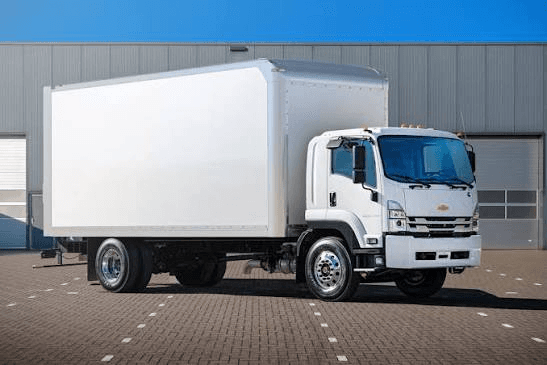
How to Choose the Right Commercial Truck for Your Business
Choosing the right commercial truck is one of the most important decisions a business can make. Whether you're expanding a logistics fleet, supporting construction projects, delivering goods, or managing service operations, the right vehicle directly impacts productivity, operating costs, and long-term profitability.
With so many models, payload capacities, fuel options, and financing choices available, buying a commercial vehicle requires more than simply comparing prices. Businesses need to evaluate their operational requirements, ownership costs, and future growth plans before making an investment.
This guide explains how to choose the right commercial truck, the different types of commercial trucks, and the key factors every business should consider before making a purchase.
Why Choosing the Right Commercial Truck Matters
A commercial truck is more than just transportation—it is a business asset that supports daily operations. Selecting the wrong vehicle can lead to higher fuel costs, reduced efficiency, unnecessary maintenance expenses, and lower productivity.
The right truck can help businesses:
- Improve operational efficiency
- Reduce fuel and maintenance costs
- Increase driver productivity
- Transport goods safely and efficiently
- Support business growth
- Lower the total cost of ownership
Whether you operate a small business or manage a large commercial fleet, choosing a vehicle that aligns with your operational needs is essential.
Understand Your Business Requirements
Before buying a commercial truck, clearly define how the vehicle will be used.
Ask yourself the following questions:
- What type of cargo will the truck carry?
- What is the average payload weight?
- How far will the truck travel each day?
- Will it operate in urban areas, highways, or off-road environments?
- How many trucks does the business currently need?
- Will future expansion require additional vehicles?
Understanding these requirements helps narrow your options and ensures you invest in a truck that supports daily operations effectively.
Types of Commercial Trucks
Choosing from the different types of commercial trucks depends on your industry and transportation requirements.
Light-Duty Trucks
Ideal for:
- Local deliveries
- Service businesses
- Small contractors
- Utility companies
These trucks offer good fuel efficiency and lower operating costs.
Medium-Duty Trucks
Commonly used for:
- Food distribution
- Moving services
- Municipal operations
- Regional deliveries
They provide greater payload capacity while remaining easy to operate.
Heavy-Duty Trucks
Heavy-duty commercial trucks are designed for demanding industries such as:
- Construction
- Mining
- Long-haul transportation
- Freight logistics
- Industrial operations
These trucks are built to handle substantial loads and long-distance travel.
Specialist Commercial Trucks
Some businesses require purpose-built vehicles, including:
- Refrigerated trucks
- Recovery vehicles
- Tanker trucks
- Crane trucks
- Utility service vehicles
Selecting the right specialist vehicle improves efficiency while meeting industry-specific requirements.
How to Buy a Commercial Truck
Understanding how to buy a commercial truck involves more than selecting a manufacturer.
1. Set Your Budget
Calculate both upfront and long-term costs, including:
- Purchase price
- Registration
- Insurance
- Maintenance
- Fuel
- Financing
- Taxes
- Depreciation
A lower purchase price does not always result in lower operating costs.
2. Compare New and Used Trucks
New trucks offer:
- Manufacturer warranties
- Latest safety technology
- Better fuel efficiency
- Lower maintenance requirements
Used trucks may provide:
- Lower upfront investment
- Faster availability
- Reduced depreciation
Businesses should inspect used vehicles carefully before purchasing.
3. Evaluate Payload Capacity
Choosing a truck with insufficient capacity may increase operating costs, while purchasing an oversized truck can reduce fuel efficiency.
Always match payload capacity to your actual business needs.
4. Consider Fuel Type
Modern commercial trucks are available in several powertrain options:
- Diesel
- Petrol
- Hybrid
- Electric
Each offers different benefits depending on operating distances, infrastructure, and sustainability goals.
5. Review Safety Features
Safety should always be a priority.
Look for features such as:
- Automatic emergency braking
- Lane departure warning
- Blind-spot monitoring
- Stability control
- Rear-view cameras
- Collision avoidance systems
These technologies improve driver safety while helping reduce accident-related costs.
Factors to Consider Before Purchasing a Truck for a Business
When purchasing a truck for a business, consider more than the vehicle's specifications.
Total Cost of Ownership
Evaluate the complete lifetime cost, including maintenance, fuel, repairs, insurance, and resale value.
Reliability
Choose manufacturers known for durability, dependable performance, and strong dealer support.
Service Network
A wide service network minimizes downtime and makes maintenance more convenient.
Warranty Coverage
Comprehensive warranties help reduce unexpected repair expenses during the ownership period.
Resale Value
Commercial trucks with higher resale demand can significantly reduce long-term ownership costs.
Financing Options for Commercial Truck Purchases
Businesses have several options when they purchase a truck for business purposes.
Common financing methods include:
| Option | Best For |
| Cash Purchase | Businesses with available capital |
| Business Loan | Long-term ownership |
| Commercial Vehicle Finance | Flexible payment plans |
| Leasing | Lower upfront costs and fleet flexibility |
Choosing the right financing option depends on your company's cash flow, tax strategy, and long-term plans.
Common Mistakes Businesses Should Avoid
Many businesses make costly mistakes when buying a commercial vehicle.
Avoid:
- Buying based only on price
- Ignoring future business growth
- Underestimating maintenance costs
- Choosing the wrong payload capacity
- Overlooking fuel efficiency
- Skipping vehicle inspections
- Selecting suppliers without proven experience
Careful planning helps businesses maximize the return on their investment.
Why Work with GMTI?
GMTI (Global Motor Trade International) supports businesses with professional commercial vehicle sourcing and procurement solutions.
Through its global supplier network, GMTI provides access to:
- Commercial trucks
- Light, medium, and heavy-duty vehicles
- Specialist vehicles
- Fleet procurement solutions
- OEM vehicle supply
- International sourcing
- Vehicle financing support
- Export and logistics coordination
Whether your business needs a single commercial truck or an entire fleet, GMTI helps simplify the procurement process with reliable sourcing and industry expertise.
Conclusion
Selecting the right commercial truck is a strategic investment that affects productivity, operating costs, and long-term business success. By understanding your operational requirements, comparing vehicle options, evaluating ownership costs, and working with trusted suppliers, businesses can make informed purchasing decisions that support sustainable growth.
Whether you're buying a commercial truck for the first time or expanding an existing fleet, careful planning and expert guidance can help you secure the right vehicle for your business. GMTI provides professional commercial vehicle solutions designed to meet the evolving needs of businesses across a wide range of industries.
FAQs
What is a commercial truck?
A commercial truck is a vehicle designed for business purposes, including transporting goods, equipment, or materials. They are commonly used in industries such as logistics, construction, retail, and manufacturing.
How do I buy a commercial truck for my business?
To buy a commercial truck, determine your operational needs, set a budget, compare vehicle options, evaluate financing, choose a trusted supplier, and review the total cost of ownership before making a purchase.
What are the main types of commercial trucks?
The main types include light-duty trucks, medium-duty trucks, heavy-duty trucks, and specialist commercial trucks such as refrigerated, tanker, and crane vehicles.
Should I buy a new or used commercial truck?
New trucks typically offer better warranties, advanced technology, and lower maintenance, while used trucks can reduce upfront costs. The best choice depends on your budget and operational requirements.
What should I consider before purchasing a truck for a business?
Businesses should consider payload capacity, fuel efficiency, maintenance costs, safety features, warranty coverage, resale value, financing options, and supplier reliability before purchasing a commercial truck.