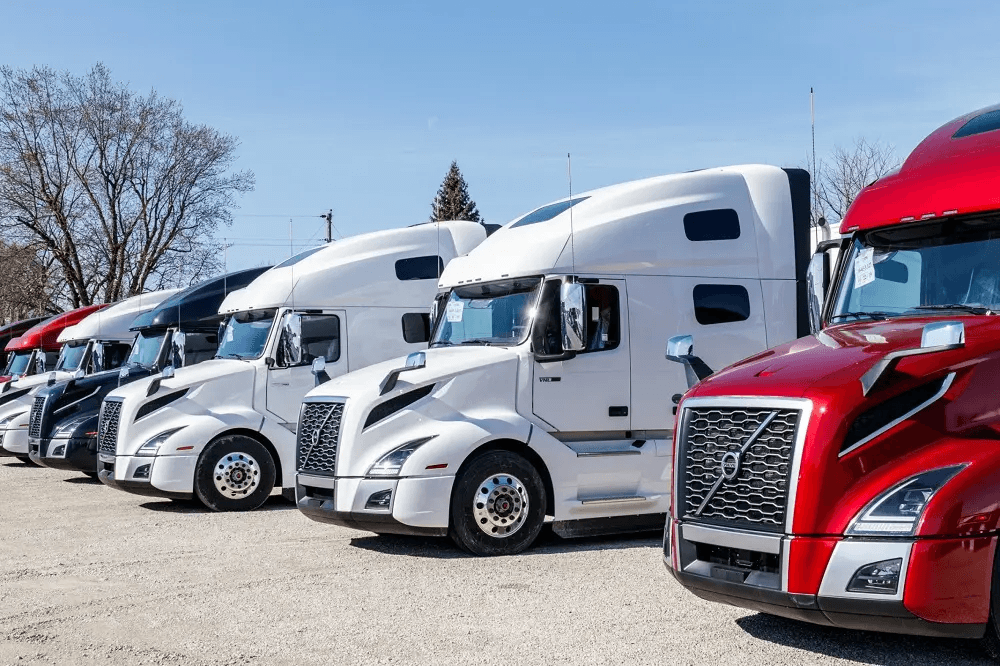
Fleet truck purchasing involves more than selecting vehicles that meet a basic specification. Commercial buyers need to consider how trucks will be used, the required payload and configuration, procurement volume, supplier capabilities, documentation, financing arrangements, and transportation requirements. A fleet purchase also needs to fit the operational and geographic requirements of the business.
For companies comparing fleet truck sales options, the right purchasing process starts with clearly defining the fleet requirement. Whether the order involves a small number of vehicles or a larger commercial fleet, evaluating the supplier and vehicle specification together can help businesses make more informed procurement decisions.
What to Consider Before Purchasing Fleet Trucks
Before approaching a supplier or reviewing available fleet truck sales, commercial buyers should establish the operational requirements for the vehicles.
Important considerations include:
- Required payload and towing capacity
- Vehicle body and configuration
- Expected operating environment
- Fuel or powertrain requirements
- New or used vehicle requirements
- Left-hand or right-hand drive configuration
- Number of vehicles required
- Destination market and registration requirements
- Delivery and logistics requirements
The intended application should drive the specification. A truck used for regional distribution may have different requirements from one used for construction, field services, logistics, or other commercial operations.
For larger orders, standardizing specifications across a fleet can also simplify procurement, maintenance planning, driver familiarization, and future replacement cycles.
Businesses that need a structured procurement process can review GMTI's fleet vehicle procurement services, which cover commercial fleet sourcing and vehicle procurement for B2B buyers.
New vs. Used Fleet Trucks
The choice between new and used vehicles depends on the buyer's requirements, available inventory, vehicle application, and procurement strategy.
New trucks can provide access to current specifications and configurations, while used commercial vehicles can provide another sourcing option when suitable vehicles are available. The important point is to evaluate each vehicle against the requirements of the intended fleet rather than making the decision based solely on age.
When reviewing a used commercial vehicle dealership or comparing used commercial vehicle dealers, buyers should examine factors such as:
- Vehicle specifications
- Model year
- Mileage or operating history where available
- Vehicle condition
- Maintenance documentation where available
- Availability of the required configuration
- Export and documentation requirements
- Suitability for the destination market
The supplier's ability to source the required specification is particularly important when a fleet needs several vehicles with similar configurations. GMTI also provides new and used vehicle sourcing for dealers, fleet operators, distributors, and other commercial buyers.
Choosing the Right Fleet Truck Dealer
The supplier can have a significant impact on the overall fleet purchasing process. A fleet truck dealer should be evaluated not only on the vehicles currently listed for sale but also on its ability to support the buyer's broader procurement requirements.
Commercial buyers can assess suppliers based on:
Vehicle availability
A supplier should be able to identify vehicles that match the required specifications instead of offering inventory that only partially meets the requirement.
Sourcing capability
A wider sourcing network can be relevant when the required vehicle, configuration, or quantity is not readily available in one market.
Documentation
Commercial vehicle purchases may involve invoices, vehicle records, export documentation, shipping documentation, and other transaction requirements. Buyers should establish what documentation is available before proceeding.
Logistics coordination
For international purchases, sourcing is only one part of the process. Transportation, export procedures, shipping arrangements, and destination requirements also need to be considered.
Commercial terms
B2B vehicle transactions can involve different payment and transaction structures. Buyers should clarify the applicable commercial terms and documentation requirements before confirming an order.
What to Look for in Commercial Vehicle Dealers
When comparing commercial vehicle dealers, buyers should look beyond the advertised inventory.
A useful supplier evaluation can include four areas: sourcing, procurement, transaction structure, and logistics.
Sourcing: Can the supplier locate the required vehicle types, specifications, quantities, and configurations?
Procurement: Can the supplier manage requirements across multiple vehicles or markets?
Transaction: Are the commercial terms and documentation clearly established?
Logistics: Can the supplier coordinate the movement of vehicles from the source market toward the required destination?
This approach is particularly relevant for companies purchasing commercial fleet vehicles for ongoing business operations rather than individual retail purchases.
Evaluate the Complete Fleet Purchase
The purchase price is only one part of a fleet acquisition decision. Commercial buyers should consider the complete procurement requirement before selecting vehicles.
Depending on the transaction, this can include:
- Vehicle acquisition
- Specification matching
- Financing or payment arrangements
- Export documentation
- Transportation
- Shipping
- Destination requirements
- Fleet standardization
- Future sourcing requirements
For international buyers, these elements can become more important because the vehicle may need to cross multiple jurisdictions before reaching its final destination.
GMTI's existing resources on global vehicle sourcing and fleet procurement provide additional context around the procurement and sourcing process.
Commercial Fleet Vehicles for Different Business Requirements
Commercial fleet vehicles serve different operational purposes, so the right vehicle depends on the business application.
Distribution and logistics
Businesses involved in distribution may require vehicles suited to regular transportation routes, cargo requirements, and delivery operations.
Construction and field operations
Construction and field-service businesses may require commercial trucks configured around equipment, materials, tools, or specialized operational requirements.
Rental and fleet operations
Rental operators need vehicles that fit their fleet structure and customer requirements while maintaining consistent procurement standards.
Government and NGO operations
Government agencies and NGOs may have defined vehicle specifications, procurement procedures, documentation requirements, or operating environments that need to be considered during sourcing.
For buyers with more complex fleet requirements, GMTI's commercial vehicle sourcing and export solutions cover commercial trucks, vans, and light commercial vehicles for international B2B buyers.
How Commercial Fleet Sales Work
A structured commercial fleet sales process generally begins with the buyer defining its requirements.
1. Define the vehicle requirement
The buyer establishes the number of vehicles, specifications, intended application, destination market, and preferred configuration.
2. Identify suitable vehicles
The supplier reviews available inventory and sourcing channels to identify vehicles that match the requirement.
3. Confirm specifications
Vehicle specifications should be reviewed before an order is finalized. This is particularly important when multiple vehicles are being purchased for the same fleet.
4. Establish commercial terms
The buyer and supplier confirm the transaction structure, documentation, and applicable payment terms.
5. Coordinate export and logistics
For international transactions, export procedures and transportation arrangements need to be coordinated according to the shipment and destination requirements.
6. Complete delivery
Once the required documentation and logistics arrangements are in place, the vehicles can proceed through the agreed delivery process.
GMTI supports this broader process through its global vehicle sourcing, procurement, export, and logistics capabilities.
Questions to Ask Before Placing a Fleet Truck Order
Before selecting a supplier, commercial buyers can ask:
Can you source the required truck specification?
This helps determine whether the supplier can meet the operational requirements rather than simply providing similar inventory.
Can you supply multiple vehicles with matching or compatible specifications?
This can be important when building or expanding a standardized fleet.
Do you source both new and used vehicles?
Knowing the available sourcing options helps buyers compare suitable inventory.
Can you coordinate international delivery?
For cross-border purchases, buyers should establish how export and logistics requirements will be handled.
What documentation is available?
Documentation requirements should be clarified before the transaction progresses.
What commercial payment structures are available?
The buyer should understand the applicable transaction terms before confirming an order.
Why Fleet Buyers Work With GMTI
GMTI — Global Motor Trade International — focuses on B2B vehicle supply for dealers, distributors, fleet operators, rental companies, NGOs, and other professional buyers.
Its services cover several areas relevant to fleet truck purchasing, including corporate fleet procurement, new and used vehicle sourcing, commercial vehicle supply, international export, logistics, OEM-direct sourcing, and LHD/RHD vehicle procurement.
The company's auto procurement strategy resources also provide additional context for businesses developing a structured approach to vehicle purchasing.
For buyers operating across different markets, GMTI's global network includes operations in the USA, Europe, and Dubai, with alliance partners in China. Its B2B model is designed around sourcing and supplying vehicles according to commercial requirements rather than individual retail purchases.
Final Considerations for Fleet Truck Purchasing
Fleet truck purchasing should begin with the operational requirement rather than the available inventory. Commercial buyers need to consider vehicle specifications, new or used sourcing options, supplier capabilities, commercial terms, documentation, and logistics before completing an order.
The right procurement process can also make it easier to manage multiple vehicles and future fleet requirements. For businesses sourcing trucks internationally, working with a supplier that can support sourcing, procurement, export, and logistics can help bring these requirements into a single purchasing process.
For companies reviewing fleet truck sales opportunities or planning a larger commercial vehicle acquisition, GMTI provides B2B vehicle sourcing and procurement solutions across multiple vehicle categories and international markets.