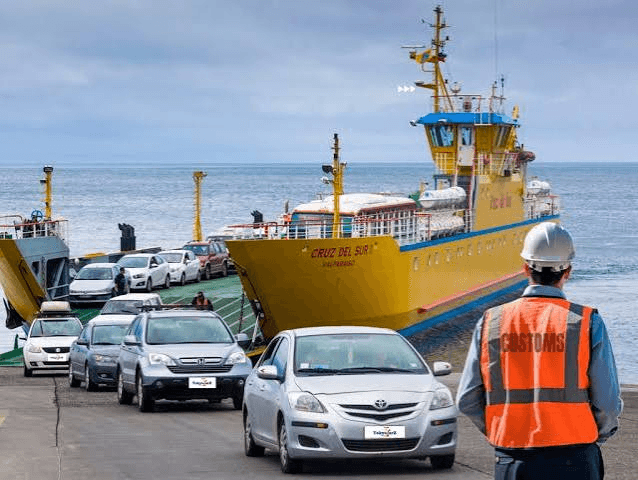
Japan is one of the world's major automotive markets, supplying vehicles to buyers across many international markets. From passenger cars and SUVs to commercial vehicles and fleet units, Japanese vehicles are widely sought after by dealers, distributors, fleet operators, and automotive resellers.
For businesses looking to source vehicles internationally, working with reliable Japanese car exporters in Japan can simplify the process of finding vehicles, arranging documentation, managing export requirements, and coordinating international delivery.
However, choosing the right exporter requires more than simply comparing vehicle prices. Buyers should consider vehicle sourcing capabilities, documentation, payment terms, logistics support, vehicle specifications, and the exporter's ability to serve their destination market.
What Are Japanese Car Exporters?
Japanese car exporters are businesses that help international buyers purchase and export vehicles from Japan. Depending on the company, an exporter may source vehicles from dealers, auctions, manufacturers, wholesalers, or other vehicle suppliers.
A typical exporter can assist with several stages of an international vehicle purchase, including vehicle sourcing, inspection, documentation, export processing, shipping coordination, and communication with the buyer.
For B2B buyers, the right exporter can become more than a vehicle supplier. A reliable sourcing partner can help dealers, fleet operators, distributors, rental companies, and resellers maintain a consistent supply of vehicles for their businesses.
Why Buy Cars From Japanese Used Car Exporters in Japan?
Japanese used car exporters are an important part of the international vehicle market. Japan has a large domestic automotive industry and a well-established vehicle export infrastructure.
International buyers may source used vehicles from Japan because they can access a broad range of models, specifications, and vehicle types.
For businesses, Japanese used car exporters in Japan may provide access to:
- Passenger cars
- SUVs and 4x4 vehicles
- Hybrid vehicles
- Electric vehicles
- Commercial vehicles
- Fleet vehicles
- Specialty vehicles
Before purchasing, buyers should carefully review the vehicle's condition, mileage, history, specifications, documentation, and suitability for their destination market.
For businesses that need sourcing beyond Japan, GMTI also provides new and used car sourcing through its international vehicle supply network.
How Does Japan Car Export Work?
The Japan car export process involves several stages, and the exact requirements can vary depending on the destination country.
Finding the Right Vehicle
The first step is identifying the vehicle, specification, quantity, and budget required by the buyer. Businesses may be looking for a single vehicle, multiple units, or an ongoing supply of vehicles for their fleet or dealership.
Vehicle Inspection and Documentation
Before purchasing, buyers should review available vehicle information and documentation. Depending on the sourcing channel, this may include inspection information, mileage, specifications, ownership information, and other relevant records.
Purchase and Export Processing
Once the vehicle and commercial terms are agreed, the exporter handles the required purchasing and export procedures. Proper documentation is essential because international vehicle transactions involve both origin and destination requirements.
International Shipping and Delivery
After export processing, the vehicle is prepared for international shipment. Depending on the transaction, the exporter or logistics partner may coordinate shipping, port handling, documentation, and delivery arrangements.
Businesses interested in the wider export process can also read GMTI's guide on how international vehicle export works.
Japanese Car Exporters vs. Japanese Car Dealers
Although the terms are sometimes used interchangeably, Japanese car dealers and exporters can have different roles.
A Japanese car dealer primarily sells vehicles within the domestic market, while a vehicle exporter focuses on supplying vehicles to international customers.
Some companies operate across both areas, while others specialize specifically in international exports.
For an international B2B buyer, the important question is not simply whether a company is a dealer or exporter. Buyers should evaluate whether the supplier can provide the right vehicles, documentation, payment structure, export support, and international logistics.
What Types of Vehicles Can Japanese Exporters Supply?
Japanese exporters can supply a wide range of vehicles depending on their sourcing network and international partners.
Passenger Cars
Passenger cars remain one of the largest categories in the international used vehicle market. Buyers can source compact cars, sedans, hatchbacks, and other passenger models.
SUVs and 4x4 Vehicles
SUVs and 4x4 vehicles are popular in markets where buyers need additional passenger capacity, ground clearance, or all-weather capability.
Commercial Vehicles
Businesses may require vans, trucks, and other commercial vehicles for transportation, logistics, construction, and delivery operations.
GMTI provides commercial vehicle sourcing and export solutions for businesses requiring commercial vans, trucks, and light commercial vehicles.
Electric and Hybrid Cars
The international market for electric and hybrid vehicles continues to expand. Buyers can source EVs and hybrid vehicles according to their market requirements and applicable import regulations.
GMTI also provides electric vehicle sourcing for dealers, fleet operators, and commercial buyers.
Fleet Vehicles
Fleet operators often require multiple vehicles with consistent specifications. Instead of purchasing vehicles individually, businesses can work with a sourcing partner that understands bulk procurement and fleet requirements.
GMTI supports corporate fleet vehicle procurement for businesses and professional vehicle buyers.
Top 10 Japanese Car Manufacturers
Japan is home to several globally recognized automotive manufacturers. Some of the most well-known Japanese brands include:
- Toyota
- Honda
- Nissan
- Mazda
- Subaru
- Suzuki
- Mitsubishi
- Isuzu
- Daihatsu
- Lexus
The availability of specific models depends on the market, production cycle, vehicle specification, and export requirements.
How to Choose a Reliable Car Exporter in Japan
Choosing between different Japanese exporters requires careful evaluation. Price is important, but it should not be the only consideration.
Check the Exporter's Business Credentials
Look for clear company information, established business operations, professional communication, and transparent commercial terms.
Review Vehicle Sourcing Options
A supplier with access to multiple sourcing channels may be able to provide a wider selection of vehicles and specifications.
Compare Pricing and Trade Terms
Compare the complete transaction cost rather than only the advertised vehicle price. Consider sourcing fees, export charges, shipping, documentation, insurance, and destination costs where applicable.
Confirm Export Documentation
International vehicle transactions require accurate documentation. Ask the exporter which documents are included and which responsibilities remain with the buyer.
Check Shipping and Logistics Support
An exporter that can coordinate logistics can make the international purchasing process easier, particularly for buyers managing regular vehicle imports.
Understand Payment and Transaction Security
B2B buyers should understand payment conditions before completing a transaction. Depending on the deal, international trade instruments such as Letters of Credit may be used.
GMTI explains how Letter of Credit payments can protect international vehicle buyers.
Japan Used Vehicle Exporters for International B2B Buyers
Japanese used vehicle exporters can serve several types of international businesses.
Vehicle Dealers
Dealers may purchase vehicles for resale in their domestic markets.
Fleet Operators
Fleet companies can source multiple vehicles according to operational requirements.
Rental Companies
Rental businesses may require consistent vehicle specifications and ongoing supply.
Resellers and Distributors
Automotive resellers can source vehicles internationally and distribute them through their local sales networks.
Government and NGOs
Government agencies and NGOs may have specialized vehicle requirements, including commercial, utility, or security-focused vehicles.
GMTI works with professional B2B buyers and organizations that require international vehicle procurement rather than individual retail purchases.
Japan Auto Export and International Vehicle Logistics
The Japan auto export process involves more than moving a vehicle from one country to another. International buyers need to coordinate purchasing, documentation, export procedures, shipping, and destination requirements.
A professional vehicle sourcing partner can help coordinate these stages and reduce unnecessary communication between multiple suppliers.
For businesses purchasing vehicles from different international markets, global sourcing can also provide access to a broader range of models and specifications.
GMTI's approach combines global vehicle sourcing with procurement and logistics coordination for B2B buyers.
Can American Cars Be Sold in Japan?
Selling American cars in Japan is possible, but the process depends on the vehicle, applicable regulations, market demand, and import requirements.
American vehicles may require specific considerations relating to vehicle specifications, documentation, compliance, shipping, and registration.
Businesses considering international vehicle sales should research the requirements of the destination market before purchasing inventory.
For international vehicle suppliers, understanding both sides of a transaction—the source market and destination market—is essential when planning cross-border vehicle sales.
Japanese Car Exports for Fleet and Commercial Buyers
For fleet and commercial buyers, Japanese car exports can be part of a larger vehicle procurement strategy.
Instead of sourcing vehicles individually, businesses may require a structured procurement process that covers:
- Vehicle specifications
- Quantity requirements
- Budget
- New or used inventory
- LHD or RHD configuration
- Delivery requirements
- Export documentation
- Shipping arrangements
- Payment terms
GMTI supports businesses with fleet vehicle procurement and international vehicle sourcing.
Businesses can also explore commercial fleet financing when planning larger vehicle purchases.
What Makes Japan a Major Global Car Exporter?
Japan has a long-established automotive manufacturing industry and a large network of suppliers, dealers, logistics providers, and export businesses.
The country supplies vehicles to international markets across different regions, while Japanese automotive brands have established strong global distribution networks.
For international buyers, Japan can therefore be an important sourcing market for passenger cars, SUVs, commercial vehicles, hybrid vehicles, and other automotive products.
However, the right sourcing decision depends on the buyer's market, vehicle requirements, budget, regulations, and logistics needs.
Japanese Export Cars: What International Buyers Should Check
Before purchasing Japanese export cars, international buyers should review several important factors.
Vehicle Condition
For used vehicles, buyers should understand the vehicle's condition and available inspection information.
Mileage and History
Mileage and vehicle history can affect the vehicle's value, suitability, and resale potential.
Right-Hand vs. Left-Hand Drive
Vehicle configuration is especially important because different countries have different road systems and registration requirements.
GMTI provides LHD and RHD vehicle sourcing for international B2B buyers.
You can also learn more about the differences between left-hand and right-hand drive vehicles.
Export Documentation
Buyers should confirm which export documents are provided and what additional documents may be required by the destination country.
Destination-Country Requirements
Import regulations vary significantly between countries. Before purchasing a vehicle, buyers should confirm that the selected vehicle meets applicable local requirements.
How GMTI Supports International Vehicle Buyers
GMTI — Global Motor Trade International — is built around international B2B vehicle sourcing, procurement, and logistics.
Rather than focusing exclusively on one vehicle market, GMTI connects buyers with vehicle supply opportunities across its global network.
Its services include:
- New and used vehicle sourcing
- Corporate fleet procurement
- Commercial vehicle supply
- Electric vehicle sourcing
- LHD and RHD vehicle sourcing
- International logistics and export coordination
- OEM-direct supply
- B2B finance solutions
GMTI works with dealers, fleet operators, distributors, rental companies, NGOs, and professional resellers that require international vehicle supply.
Businesses can explore the full range of GMTI vehicle sourcing and procurement services or learn more about GMTI.
Frequently Asked Questions About Japanese Car Exporters
What is a Japanese car exporter?
A Japanese car exporter is a company that helps international buyers source and export vehicles from Japan. Services may include vehicle sourcing, purchasing, documentation, export processing, and shipping coordination.
How do Japanese used car exporters work?
Japanese used car exporters source vehicles through available domestic supply channels and arrange the export process for international buyers. The exact services offered depend on the exporter.
How can I find reliable Japanese exporters?
Look for established business information, transparent pricing, clear documentation, professional communication, suitable vehicle sourcing options, and international logistics support.
What cars can be exported from Japan?
Depending on the exporter and destination requirements, buyers may source passenger cars, SUVs, commercial vehicles, hybrids, electric vehicles, and other vehicle types.
How does Japan auto export work?
The process generally includes vehicle selection, inspection or verification, purchase, documentation, export processing, shipping, and destination-country import procedures.
Can businesses buy Japanese vehicles in bulk?
Yes. Businesses such as dealers, distributors, fleet operators, and rental companies can source multiple vehicles according to their operational requirements.
What documents are required for Japanese car exports?
Documentation varies by vehicle and destination market. Buyers should confirm the required export and import documents with their supplier and local authorities.
Can Japanese exporters arrange international shipping?
Many exporters coordinate shipping or work with logistics providers. Buyers should confirm whether shipping, port handling, and delivery arrangements are included in the commercial agreement.
What is the difference between a Japanese car dealer and exporter?
A dealer generally focuses on selling vehicles, while an exporter specializes in supplying vehicles to international markets. Some businesses can perform both roles.
Final Thoughts on Japanese Car Exporters in Japan
Working with the right Japanese car exporter in Japan can simplify international vehicle procurement, but buyers should look beyond vehicle price when evaluating a supplier.
Vehicle condition, specifications, documentation, payment terms, export procedures, shipping, and destination-market requirements all play an important role in a successful international vehicle purchase.
For B2B buyers that need vehicles from Japan or other international markets, a sourcing partner with broader procurement and logistics capabilities can provide a more flexible approach.
GMTI supports international businesses with vehicle sourcing, fleet procurement, commercial vehicles, EVs, LHD and RHD vehicles, and global logistics coordination.
If your business is looking for international vehicle supply, you can contact GMTI to discuss your vehicle requirements.