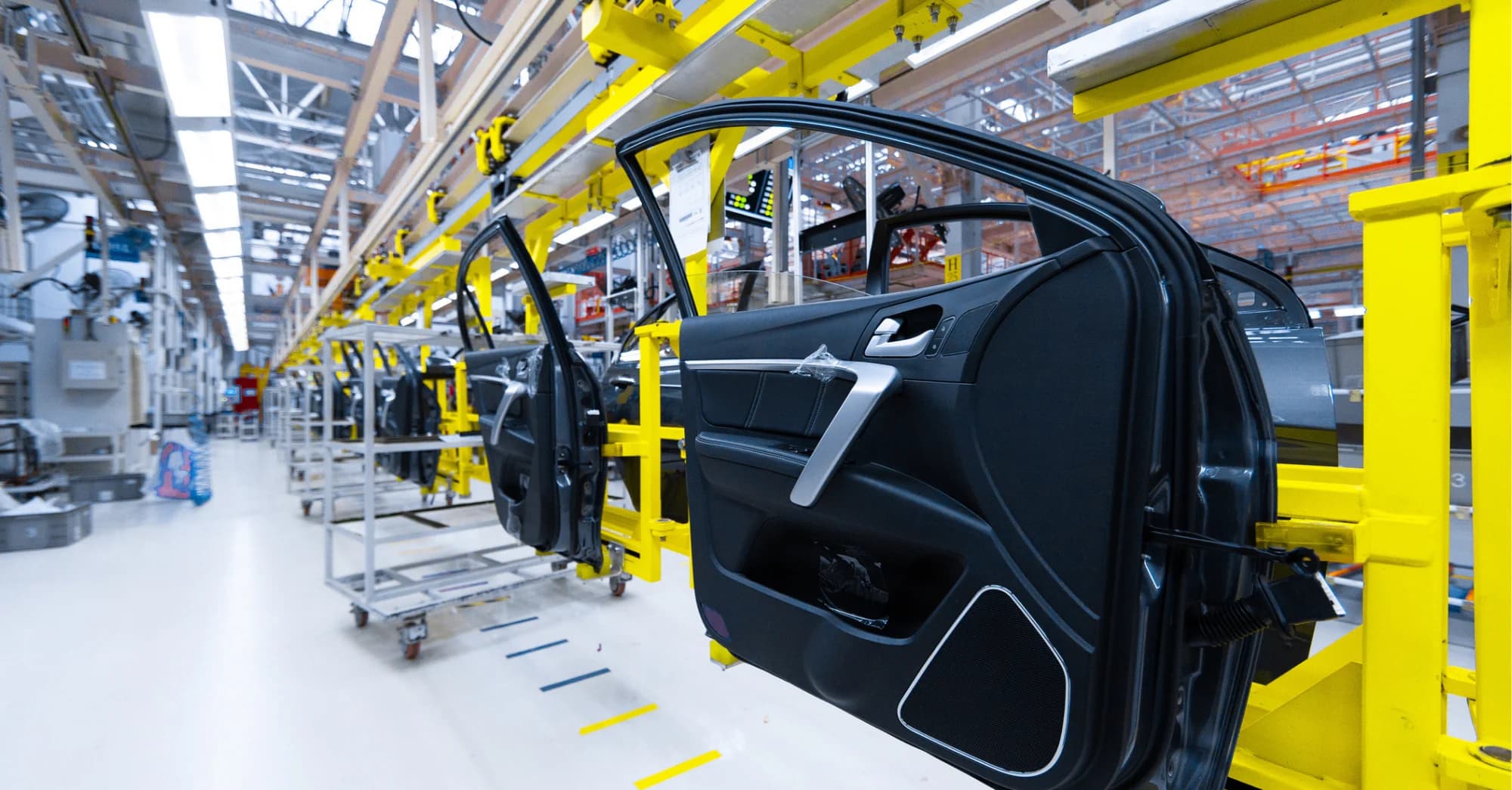
OEM sourcing plays an important role in the automotive industry, particularly for businesses that need reliable vehicle supply, consistent specifications, and access to international markets. For vehicle dealers, fleet managers, distributors, and automotive resellers, finding the right sourcing partners can influence procurement costs, vehicle availability, delivery schedules, and long-term business growth.
However, automotive OEM sourcing involves more than identifying a manufacturer or requesting a quotation. Businesses must evaluate supplier reliability, confirm vehicle specifications, understand procurement terms, and coordinate export documentation and international logistics.
For companies purchasing vehicles across multiple markets, a structured sourcing strategy can make the procurement process more manageable. GMTI (Global Motor Trade International) supports B2B buyers through global vehicle sourcing, fleet procurement, and international supply coordination.
This article explains how automotive OEM sourcing works, what to consider when selecting a sourcing partner, and how businesses can improve their vehicle procurement processes.
What Is OEM Sourcing in the Automotive Industry?
OEM stands for Original Equipment Manufacturer. In the automotive industry, it generally refers to a manufacturer responsible for producing vehicles or original components within an established manufacturing system.
OEM sourcing is the process of identifying and securing products through suitable manufacturer relationships or established supply channels. For automotive businesses, this may involve sourcing complete vehicles, commercial trucks, passenger cars, or fleet units that meet specific operational and market requirements.
Unlike purchasing individual vehicles through a conventional retail channel, B2B sourcing often involves larger quantities, defined specifications, coordinated delivery schedules, and commercial procurement terms.
For example, a vehicle distributor expanding its inventory may require several units of a particular model. A logistics company may need commercial vehicles with consistent payload capacities, while a corporate fleet operator may require vehicles configured for a particular destination market.
In each case, the sourcing process must align with the buyer's requirements, budget, quantity, and delivery timeline.
Businesses should also distinguish OEM sourcing from aftermarket sourcing. OEM sourcing concerns original manufacturers and their supply channels, whereas aftermarket sourcing typically involves replacement parts, accessories, or products supplied outside the original manufacturing network.
For a more detailed explanation, read GMTI's guide to automotive OEMs and OEM vehicles.
How Does the Automotive OEM Sourcing Process Work?
A structured OEM sourcing process helps businesses evaluate their options before committing to a purchase. The precise process depends on the vehicle type, supplier arrangements, order size, and destination market.
1. Identify Vehicle and Fleet Requirements
The first step is to define exactly what the business needs. Buyers should consider the number of vehicles, intended application, preferred models, powertrain, body type, payload capacity, and any specialist equipment requirements.
International buyers should also specify whether they need left-hand-drive (LHD) or right-hand-drive (RHD) vehicles. These requirements can affect which vehicles are suitable for a particular market.
Clear requirements help sourcing teams identify appropriate options and reduce the risk of receiving quotations for unsuitable vehicles.
2. Identify Suitable Suppliers and Supply Channels
Once the requirements are established, businesses can assess potential manufacturers, authorised distribution channels, and other suitable vehicle supply partners.
The appropriate channel depends on the vehicle, market, order quantity, and availability. Buyers should not assume that every sourcing company has a direct relationship with every manufacturer or authority to sell vehicles directly from an OEM.
Supplier identity, sourcing arrangements, commercial terms, and the ability to provide the requested vehicles should be verified before proceeding.
3. Confirm Specifications and Availability
Vehicle specifications can differ between markets, even when the model name is identical. Buyers should confirm the model year, engine or powertrain, transmission, equipment, safety features, and driving configuration.
Availability must also be established. A supplier may be able to source a particular model but may not have the required quantity or configuration immediately available.
Written confirmation helps establish a clear basis for quotations and procurement decisions.
4. Review Pricing and Procurement Terms
A vehicle's quoted price does not necessarily represent its complete acquisition cost. International purchases may involve shipping, insurance, export documentation, customs duties, taxes, inspections, and other destination-related expenses.
Businesses should review payment terms, delivery responsibilities, cancellation conditions, and any applicable warranty or after-sales arrangements before placing an order.
5. Coordinate Export and Delivery
Once the commercial terms are agreed, the process may involve collecting documentation, arranging transportation, coordinating export procedures, and planning delivery to the destination market.
Businesses sourcing vehicles internationally can explore GMTI's international vehicle shipping and freight services to understand the logistics support available for cross-border vehicle movements.
What Should Businesses Look for in an OEM Sourcing Partner?
Selecting an appropriate OEM sourcing partner requires more than comparing quotations. Businesses should evaluate whether the partner can meet their specific procurement and delivery requirements.
Access to Suitable Vehicle Supply Channels
A sourcing partner should understand the relevant vehicle market and be able to identify supply options that match the buyer's requirements. Businesses should ask how availability is confirmed and what documentation can be provided to support the transaction.
Experience With International Procurement
International vehicle sourcing introduces additional considerations, including different specifications, export procedures, transportation arrangements, and destination-market regulations.
A partner familiar with these requirements can help coordinate the procurement process and identify potential issues before an order is finalised.
Support for Different Vehicle Configurations
Some businesses require a standard passenger vehicle, while others need commercial trucks, pickups, specialist vehicles, or vehicles with specific driving configurations.
Buyers should select partners capable of addressing their actual requirements rather than relying on a limited inventory that may not fit their operational needs.
GMTI offers LHD and RHD vehicle sourcing for businesses evaluating vehicles for different international markets.
Transparent Communication
Clear communication is essential when multiple vehicles, suppliers, markets, and delivery milestones are involved.
A reliable sourcing process should establish who is responsible for quotations, specification confirmation, order updates, documentation, and delivery coordination. Buyers should also understand how changes or delays will be communicated.
Logistics and Documentation Coordination
Supplier selection and vehicle transportation should be considered together. A suitable sourcing arrangement needs to account for export documentation, shipping requirements, and destination-market compliance.
Businesses purchasing multiple vehicles may benefit from a partner that coordinates these activities as part of a broader procurement process.
OEM Supply Chain Services for Global Vehicle Procurement
OEM supply chain services can involve several activities that support the movement of vehicles from manufacturers and supply channels to business buyers. For international automotive procurement, the exact services depend on the sourcing arrangement and the capabilities of the companies involved.
Vehicle Sourcing and Supplier Coordination
Businesses may need to identify suitable vehicles, compare available options, confirm specifications, and coordinate purchasing terms. Organised supplier communication helps ensure that all parties are working from the same requirements.
Commercial Vehicle and Fleet Procurement
Fleet operators often need multiple vehicles with similar specifications. Consistent sourcing can simplify purchasing decisions and help businesses plan fleet expansion or replacement.
Companies looking for trucks, vans, pickups, and other work vehicles can explore GMTI's commercial vehicle sourcing and export solutions.
Specialist Vehicle Requirements
Some buyers require vehicles configured for specialised applications, including government operations, security, or particular commercial uses. These requirements may involve additional equipment, documentation, and compliance checks.
The sourcing process should clearly identify the intended use and any mandatory technical specifications before suitable vehicles are selected.
International Logistics and Export Coordination
Cross-border vehicle supply requires coordination between purchasing, transportation, documentation, and delivery. Depending on the transaction, these activities may involve freight providers, exporters, customs representatives, and destination-market partners.
Planning logistics early can help businesses identify costs and potential delays before committing to a procurement schedule.
Common Challenges in OEM Sourcing and How to Avoid Them
Even a well-planned sourcing process can encounter challenges. The objective is to identify and manage potential problems before they affect procurement outcomes.
Limited Vehicle Availability
A preferred model or configuration may not be available in the required quantity or timeframe. Businesses can address this by confirming stock or production availability early and identifying acceptable alternatives where operationally appropriate.
Unverified Supplier Credentials
Incomplete supplier information can make it difficult to establish who is responsible for supplying the vehicles. Buyers should verify the business, confirm the source of supply, and review relevant commercial documentation before transferring funds.
Specification Mismatches
Differences in model year, engine, equipment, driving configuration, or destination-market requirements can lead to costly procurement problems.
A detailed written specification should be agreed upon before an order is confirmed. Any changes should be documented and approved by the relevant parties.
Communication Gaps
International transactions may involve different time zones, multiple organisations, and several stages of approval. Without clear ownership, important updates can be missed.
Businesses should establish a primary contact, agree on update intervals, and maintain written records of decisions and outstanding actions.
Unexpected Procurement and Logistics Costs
The initial quotation may not include every cost associated with acquiring and importing a vehicle.
Buyers should request a clear breakdown of applicable charges and confirm who is responsible for transportation, insurance, documentation, customs procedures, and other expenses.
For a broader look at international procurement challenges, GMTI's article on global vehicle sourcing and fleet cost reduction explains why sourcing and logistics decisions matter when evaluating total vehicle acquisition costs.
How to Evaluate OEM Suppliers Before Placing an Order
A consistent supplier evaluation process helps procurement teams compare options using the same criteria.
Before committing to an order, businesses should:
- Verify supplier identity: Confirm the company's legal identity, business details, and role in the supply chain.
- Establish the source of supply: Understand whether the supplier is a manufacturer, authorised distributor, independent sourcing partner, or another intermediary.
- Confirm vehicle specifications: Obtain written details covering model, configuration, condition, quantity, and other essential requirements.
- Check availability: Confirm whether the requested vehicles are available and establish realistic delivery expectations.
- Review commercial terms: Examine payment arrangements, cancellation provisions, delivery responsibilities, and any applicable warranty terms.
- Validate documentation requirements: Identify the documents needed for export, import, registration, and destination-market compliance.
- Assess logistics arrangements: Confirm the planned shipping method, expected milestones, and responsibility for coordinating delivery.
For larger orders, businesses should also consider supplier performance across previous transactions where reliable information is available. Delivery accuracy, responsiveness, documentation quality, and the ability to resolve issues can all inform future sourcing decisions.
OEM Supplier Relationship Management and Communication
Managing OEM supplier relationships becomes increasingly important when a business sources vehicles regularly or works across several international markets. Poorly organised communication can create uncertainty around quotations, vehicle availability, order status, and delivery commitments.
A structured supplier management process helps procurement teams maintain visibility throughout the transaction.
Track Supplier Contacts and Procurement History
Businesses should maintain organised records of supplier details, previous quotations, agreed specifications, purchase orders, and relevant correspondence. This information makes it easier to compare offers and understand the history of a sourcing relationship.
Monitor Orders and Delivery Milestones
For active orders, businesses can track milestones such as specification approval, order confirmation, documentation completion, dispatch, shipping, and delivery.
A centralised record helps teams identify outstanding actions and follow up when an expected milestone is missed.
Maintain Clear Communication
Supplier communication should establish who is responsible for each action, when updates are expected, and how urgent issues will be escalated.
Written records of decisions and specification changes can help reduce misunderstandings, particularly when multiple parties are involved.
When Is Supplier Tracking Software Necessary?
Businesses managing numerous suppliers and recurring orders may benefit from procurement systems, supplier relationship management platforms, or other tools that centralise supplier records and order updates.
However, not every business needs a dedicated platform. Smaller procurement teams may be able to manage their requirements through structured spreadsheets and documented communication processes.
Software should be selected according to the number of suppliers, reporting requirements, workflow complexity, and integration needs. A tracking platform also cannot replace supplier verification or guarantee that a supplier will meet its commitments.
For automotive buyers, the most effective approach combines organised records, clear communication, documented procurement terms, and appropriate supplier checks.
How OEM Sourcing Supports B2B Vehicle Procurement
OEM sourcing can support broader automotive procurement strategies by helping businesses identify vehicles that match their operational requirements and supply plans.
For fleet operators, a structured sourcing process can improve consistency across vehicle specifications. For dealers and resellers, it can help them assess supply options and plan inventory around market demand. For organisations operating internationally, sourcing and logistics coordination can help manage the additional complexity of cross-border transactions.
GMTI supports business buyers through global vehicle sourcing and procurement capabilities. Its corporate fleet vehicle procurement service is relevant to organisations sourcing vehicles for corporate operations, leasing businesses, and fleet expansion.
Businesses can also review GMTI's commercial vehicle solutions when evaluating vehicles for logistics, construction, delivery, and other commercial applications.
The right sourcing strategy will depend on the buyer's vehicle requirements, purchase volume, target markets, budget, and delivery timeline. Rather than focusing exclusively on the lowest quoted price, procurement teams should assess the complete transaction and its suitability for their business.
Why Work With GMTI for Global Vehicle Sourcing?
GMTI (Global Motor Trade International) focuses on B2B vehicle supply, sourcing, and international procurement. Its services support businesses that need to identify suitable vehicles and coordinate supply across international markets.
Depending on the buyer's requirements and vehicle availability, GMTI's capabilities include:
- Global vehicle sourcing for business buyers.
- Corporate and fleet vehicle procurement.
- Commercial vehicle supply and export coordination.
- Sourcing support for different vehicle configurations, including LHD and RHD.
- International shipping, freight, and export documentation coordination.
- Support for buyers evaluating passenger vehicles, commercial vehicles, and specialist vehicle requirements.
These capabilities are relevant to dealers, fleet managers, distributors, and resellers seeking a structured approach to vehicle procurement.
Businesses considering an international sourcing arrangement should provide clear information about their preferred vehicles, required quantity, destination market, specifications, and delivery timeline. This gives the sourcing team a practical starting point for evaluating suitable options.
To discuss a specific requirement, visit GMTI's website and review the available vehicle sourcing and procurement services.
Frequently Asked Questions
What Is OEM Sourcing?
OEM sourcing is the process of obtaining products through original equipment manufacturers or suitable supply channels connected to their production and distribution systems. In automotive procurement, it can involve sourcing vehicles or original components according to specific requirements.
What Is the Difference Between OEM Sourcing and OEM Procurement?
OEM sourcing focuses on identifying suitable manufacturers, suppliers, and supply channels. OEM procurement covers the broader purchasing process, including requirements, quotations, commercial terms, order placement, documentation, and delivery coordination.
How Do Businesses Find a Reliable OEM Sourcing Partner?
Businesses should verify supplier credentials, confirm the source of supply, review vehicle specifications, establish availability, assess commercial terms, and check the partner's ability to coordinate documentation and delivery.
What Are OEM Supply Chain Services?
OEM supply chain services can include sourcing, supplier coordination, order management, transportation, documentation, and other activities that support the movement of products through a supply network. The exact services vary by provider and industry.
Can an OEM Sourcing Partner Help With International Vehicle Procurement?
A suitable automotive sourcing partner may help identify vehicles, coordinate purchasing arrangements, confirm specifications, and organise export and shipping activities. Buyers should verify the partner's specific capabilities and responsibilities before placing an order.
How Can Businesses Track OEM Supplier Relationships?
Businesses can maintain supplier records, document quotations and purchase orders, monitor delivery milestones, and record communication history. Companies with more complex requirements may benefit from dedicated supplier relationship management or procurement software.
What Should Buyers Verify Before Sourcing Vehicles Internationally?
Buyers should verify supplier identity, vehicle specifications, quantity, availability, payment terms, export documentation, shipping arrangements, and destination-market import and registration requirements.
Conclusion
Effective OEM sourcing requires a clear understanding of vehicle requirements, supplier relationships, procurement terms, and international delivery considerations. For automotive businesses, the objective is not simply to find a supplier but to establish a sourcing process that supports reliable supply and informed purchasing decisions.
By defining specifications, verifying suppliers, documenting commercial terms, monitoring order progress, and planning logistics early, businesses can manage procurement risks more effectively.
For dealers, fleet operators, distributors, and resellers sourcing vehicles internationally, a structured B2B sourcing strategy can help align vehicle supply with operational requirements. GMTI supports global vehicle sourcing, fleet procurement, and international supply coordination for businesses evaluating their next vehicle acquisition.